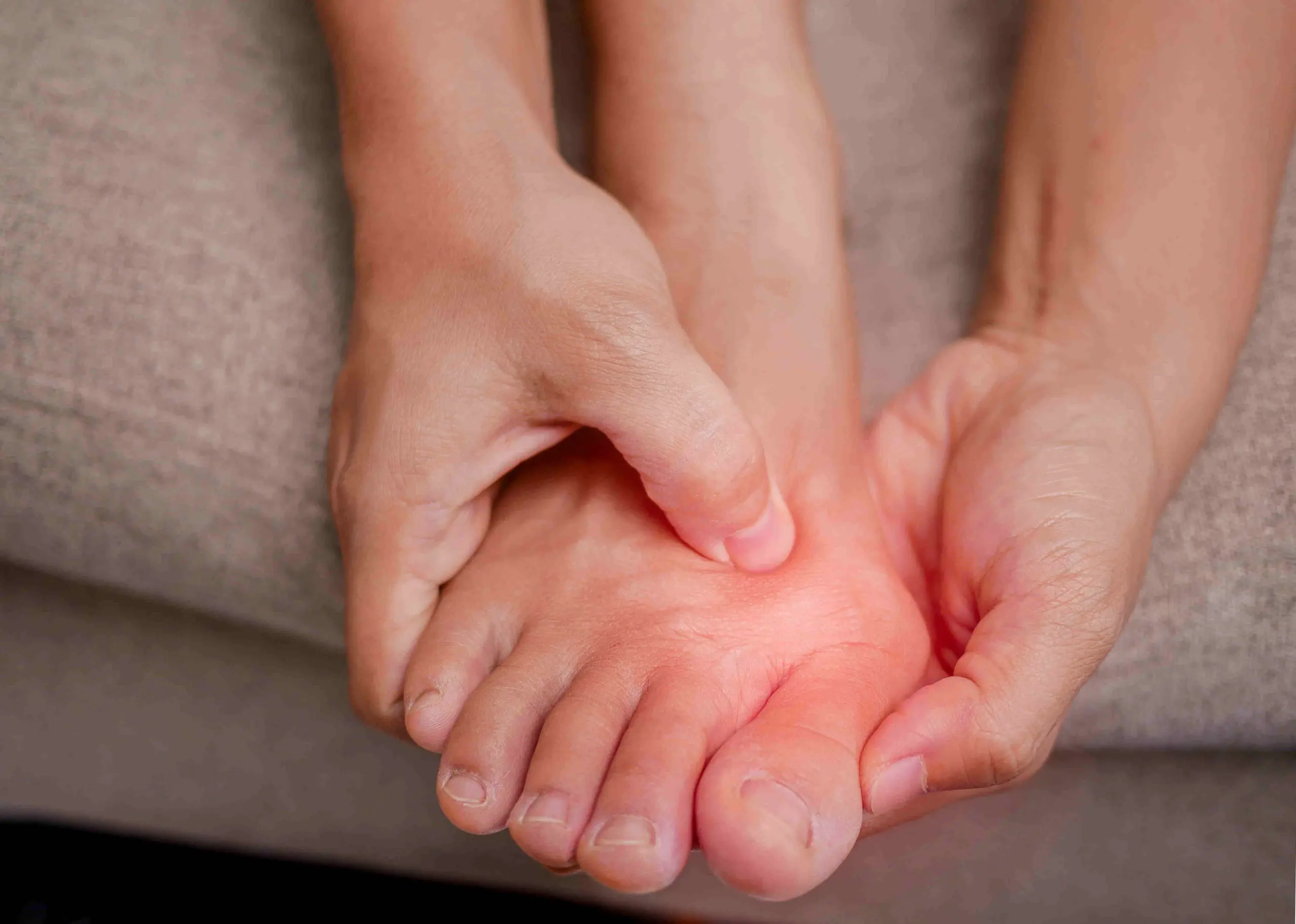
Bunion Surgery on the NHS vs North Bristol Private Hospital

Published by
Elena Prousskaia
Bunions are one of the most common foot problems affecting adults in the UK, causing persistent pain that can limit everyday activities.
While the NHS offers bunion surgery for severe cases, many patients find themselves waiting months or even years for treatment, often while managing painful bunions that affect their work, sleep and quality of life.
The Key Takeaways
Bunions, medically known as hallux valgus, develop when the big toe drifts towards the second toe, creating a bony lump at the base of the big toe joint. Conservative treatments are usually tried first, but surgery may be needed when pain becomes disabling.
- NHS bunion surgery is typically reserved for severe symptoms that have not responded to non-surgical treatments tried for at least 3 to 12 months, and waiting lists can stretch months for assessment and further time before an operation date
- Private bunion surgery at North Bristol Private Hospital offers faster access, consultant-led care with Elena Prousskaia’s team, and the ability to schedule treatment around your life
- Surgery aims to provide pain relief and restore function rather than create a cosmetically perfect foot, with realistic expectations discussed thoroughly before any decision
- Recurrence rates for bunions hover around 10-20% long-term regardless of pathway, making honest pre-operative discussion essential
- If you are struggling with bunion pain or facing long NHS waits, contact Elena Prousskaia’s team at North Bristol Private Hospital to arrange a consultation
What is a Bunion and When is Surgery Considered?
A bunion forms when the big toe gradually angles towards the second toe, pushing the metatarsal bone outward and creating a prominent bump at the big toe joint. This bony lump can make wearing shoes uncomfortable and causes pain during walking.
Typical symptoms include:
- Pain along the medial or plantar aspect of the foot
- Redness and swelling over the affected joint
- Joint stiffness, particularly after rest
- Aching that worsens in the morning or after prolonged standing
Many patients are initially managed without surgery. Treatments focus on footwear modifications, orthotics and pain relief. Bunion surgery is usually only discussed when pain is persistent, significantly affects daily life, disrupts sleep or limits your ability to work.
The main goal of any foot and ankle surgery for bunions is to reduce bunion pain and improve function. No procedure guarantees that a bunion will never recur. At North Bristol Private Hospital, patients receive a comprehensive assessment including medical history review, clinical examination and weight-bearing imaging to determine whether surgery is likely to help.
How Bunions are Managed
NHS care for bunions begins in primary care, typically with a GP who may refer you to podiatry. The initial focus is always on conservative treatments before any surgical opinion is considered.
Common NHS conservative options include:
- Advice to wear wide shoes with a low heel and soft sole, which can help ease bunion pain
- Using bunion pads to provide cushioning and reduce friction on the bunion area
- Custom orthotics or insoles to redistribute pressure
- Simple painkillers such as paracetamol or ibuprofen
- Toe spacers to maintain alignment
- Applying ice packs for short periods to reduce swelling
- Maintaining a healthy weight to reduce pressure on your feet
The NHS does not perform bunion surgery for cosmetic reasons or to prevent bunions from worsening in the future. To be referred for bunion surgery, patients are usually expected to have tried non-surgical treatments for several months without sufficient relief.
Once referred, patients often face extended waiting times. Assessment appointments can take months to secure, followed by additional months before reaching an operation date. Practical limitations can include limited choice of surgeon and less flexibility in scheduling and the possibility that milder but still painful cases may not meet local criteria for further surgery.
Types of Bunion Surgery Commonly Used
Whether performed on the NHS or privately, the most common surgery for bunions is an osteotomy. This involves cutting the toe bone and metatarsal to realign the big toe and move it back into a straighter position.
These procedures typically involve:
- Straightening the big toe
- Repositioning the first metatarsal bone
- Adjusting surrounding soft tissue to restore natural alignment
There are various surgical procedures for bunion correction, including transposition osteotomies like the Scarf and capital osteotomies, and rotational procedures such as the Lapidus procedure. The technique chosen depends on the severity of your bunion deformity, joint quality and presence of arthritis. Screws or small implants hold the correction while the bone heals.
Bunion surgery under the NHS is performed as a day surgery under local anaesthetic or general anaesthetic. Minimally invasive surgery for bunions uses small incisions and specialised instruments to reduce soft tissue disruption. In appropriately selected patients and in experienced hands, it can offer outcomes comparable to traditional open techniques, with potential benefits such as reduced swelling and improved early recovery..
At North Bristol Private Hospital, a consultant-led team plans surgery individually, considering your overall foot shape, lifestyle demands and existing medical conditions.
Why Many Patients Look Beyond Bunion Surgery on the NHS
While NHS care provides valuable treatment for severe cases, increasing numbers of patients explore private options when waiting times, symptom severity or lifestyle demands make delay difficult.
Common frustrations with the NHS pathway include:
- Lengthy waits to see a foot specialist, sometimes exceeding 52 weeks
- Uncertainty about whether you will actually be listed for surgery
- Difficulty planning work or family commitments around unpredictable dates
- Hard or swollen skin and ongoing discomfort during the waiting period
Some patients find that ongoing pain, difficulty wearing shoes and limits on walking affect their mental health, work performance and social life long before they meet the threshold for NHS surgery. Those who need to avoid tight shoes or toes avoid shoes with pointy toes entirely may find their footwear options severely restricted.
Patients with specific timing needs, such as scheduling around work projects, school holidays or before a significant event, often cannot reliably choose dates on the NHS. This is where a private pathway at North Bristol Private Hospital can offer a more predictable, patient-centred experience.
Benefits of Choosing Private Bunion Surgery at North Bristol Private Hospital
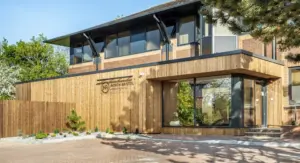
North Bristol Private Hospital is a modern, CQC-accredited facility where consultant plastic and reconstructive surgeon Elena Prousskaia and her team provide a range of surgical procedures, including bunion correction.
Key advantages include:
| Benefit | What This Means for You |
|---|---|
| Faster access | Consultation appointments within days or weeks rather than months |
| Consultant-led care | Your surgeon oversees your entire journey |
| Scheduling flexibility | Choose dates that suit work, family and travel arrangements |
| Modern environment | Private en-suite rooms with attentive nursing care |
| Thorough assessment | Time to discuss goals, risks and realistic expectations |
What to Expect from Private Bunion Surgery and Recovery
Most patients have bunion surgery as a day case, returning home the same day. The pathway is tailored to your individual needs at North Bristol Private Hospital.

Before surgery
Your in-depth consultation covers examination, discussion of your medical history including any diabetes treatments or other conditions, explanation of the recommended technique, anaesthetic options and realistic timelines. You will have time to ask questions about possible complications and expected outcomes.
Day of surgery
You will be admitted, meet your surgeon and anaesthetist, have the surgical site marked on your foot, and proceed to theatre. After your procedure, you recover in a dedicated area before going home once comfortable and safe.
Recovery timeline:
- Patients are advised to rest with the leg elevated for the first 48 hours after surgery to help reduce swelling and promote healing
- Rest and keep your feet raised as much as possible for the first two weeks to minimise slight swelling
- After bunion surgery, patients can expect to wear a special shoe for six weeks to aid recovery
- Stitches are usually removed around two weeks post-operatively
- Most patients can return to driving approximately six weeks after surgery, provided they can perform an emergency stop safely
- Noticeable swelling can persist for 3 to 6 months post-surgery and may last longer in some cases
- Full recovery from bunion surgery typically takes between seven to twelve months
You will receive structured follow-up appointments at approximately two weeks, six weeks and three months, with clear written instructions and access to the clinical team for any concerns about your operated leg or wound healing.
Costs, Finance and How to Arrange a Private Bunion Consultation
Private surgery is a financial commitment, but for many patients the benefits of reduced pain, predictable timing and improved quality of life justify the investment.
Exact fees for bunion surgery at North Bristol Private Hospital depend on your individual case and will be confirmed after consultation. Costs typically include hospital, anaesthetist and surgeon fees in a transparent package.
Elena Prousskaia’s practice offers flexible payment options, including 0% finance on certain procedures where available, helping eligible patients spread the cost. For self-funded patients, it is important to understand payment policies and scheduling deposits. If you have private medical insurance, check with your insurance company about cover, as policies differ in how they fund ankle surgery and foot procedures.
Ready to take the next step?
If you are experiencing significant bunion pain or facing long NHS waits, book a consultation at North Bristol Private Hospital.
Frequently Asked Questions About Bunion Surgery and Private Care
Will I still be able to see my GP if I choose private bunion surgery?
Yes. Patients remain registered with and supported by their NHS GP even when opting for private surgery. GPs continue to help with general health issues, prescriptions and any ongoing conditions, and may also advise on issues such as whether professional mole removal in Bristol or other procedures are appropriate. Elena’s team at North Bristol Private Hospital can share relevant information with your GP, with your consent, so everyone involved understands what procedure was performed and how recovery is progressing.
How soon can I go back to work after private bunion surgery?
Return to work depends on your role. Desk-based jobs may be possible within a further four weeks, while standing or manual roles usually require six to twelve weeks. During your consultation, you will receive personalised guidance based on your planned procedure and whether you can modify duties or work from home initially, just as with labiaplasty and related intimate procedures in Bristol. Soft pads and appropriate footwear help during the transition.
Is private bunion surgery only for severe deformities?
No. Private consultation is appropriate for moderate but painful bunions that do not meet local NHS thresholds, as well as more advanced cases causing major disability. The decision to correct bunions is based on symptoms, impact on daily life, examination and imaging rather than appearance alone, just as decisions about tuberous breast correction surgery in Bristol are guided by individual needs rather than appearance only. Some patients may still be advised to continue with non-surgical measures to prevent bunions from progressing.
How do I know if I should wait for the NHS or book privately?
Consider your current pain levels, the effect on work and daily activities, local NHS waiting times and any timing constraints such as caring responsibilities. A private consultation with Elena’s team at North Bristol Private Hospital provides a clear diagnosis and understanding of your options, whether you are exploring bunion correction, tuberous breast correction in Bristol or other procedures such as rhinoplasty for natural-looking facial balance. You can then decide calmly whether the NHS route or private bunion surgery best fits your circumstances, without any obligation.
Share this article
Back to Advice Centre