Understanding Bunion Surgery. Your Guide To Making The Right Decision

Published by
Elena Prousskaia
If you’ve been wondering, “Is bunion surgery worth it?” you’re certainly not alone. Many patients come to North Bristol Private Hospital feeling frustrated by persistent bunion pain, difficulty walking, or a deformity that just won’t improve despite trying non-surgical treatments.
Below, we set out to offer expert advice and personalised care tailored to your unique needs.
We understand how bunions can impact your life, from limiting your choice of shoes to causing severe pain that affects daily activities.
Want to learn more? Why not book a consultation? Together, we explore all your options, including minimally invasive bunion surgery. This approach uses smaller incisions and aims to reduce tissue damage, helping you enjoy a smoother healing process and potentially quicker bunion surgery recovery time.
The Key Takeaways
When bunion pain or difficulty walking starts to interfere with your everyday life and non-surgical treatments haven’t brought enough relief, it’s time to consider specialist assessment. Early consultation with the team at North Bristol Private Hospital means you gain access to a full range of treatment options, including advanced minimally invasive bunion surgery where appropriate. These techniques often mean less pain, smaller scars, and a faster return to normal activities.
The goal is always to help you reduce pain, improve comfort, and restore function, not just to create a cosmetically perfect foot. We’ll work together to develop a personalised plan based on your symptoms, lifestyle, and goals.
What Is A Bunion And How Does It Affect Your Life?
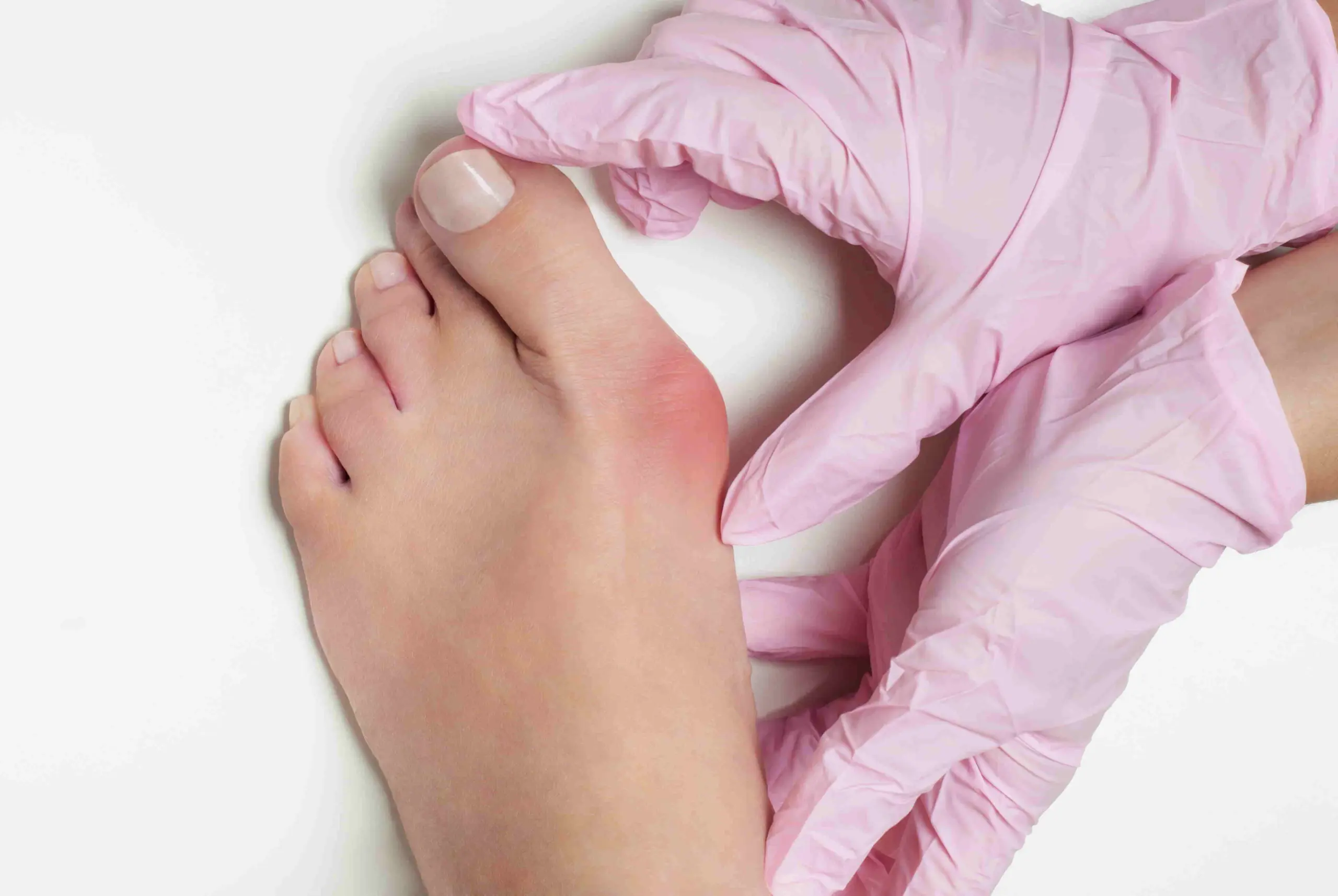
A bunion, or hallux valgus, is a misalignment of the bones at the base of your big toe that can cause inflammation, redness, and persistent pain, especially when walking or wearing shoes that don’t have enough room. This can affect people’s confidence and limit their mobility, making everyday activities a challenge. The good news is that with the right treatment, including surgery when necessary, it’s possible to reduce pain and regain freedom in your feet.
If you’re experiencing severe pain, difficulty walking, or find yourself constantly searching for a special shoe that fits comfortably, it’s time to discuss treatment options with a qualified healthcare professional.
Early assessment is key to preventing worsening symptoms and helping you avoid persistent pain. Whether you’ve tried wider shoes, padding, or orthotics without success, a face-to-face consultation will provide clarity on the best next steps.
Is Bunion Surgery Worth It? Balancing Benefits And Considerations
Deciding to undergo bunion surgery is a personal choice, and I’m here to guide you through it with compassion and expertise. For many patients, surgery has been life-changing, significantly reducing severe pain, improving walking comfort, and allowing them to wear shoes they love again. Minimally invasive bunion surgery can offer benefits like less swelling, shorter bunion surgery recovery time, and smaller scars, but it’s not suitable for everyone. We carefully assess your individual case, including imaging and physical examination, to recommend the safest and most effective approach.
It’s important to understand that surgery requires a healing process that involves some time in a special shoe and a few weeks of limited activity. There are also costs to consider, but flexible payment options are available to help make treatment accessible.
What Does Bunion Surgery Involve?
Bunion surgery, or bunionectomy, involves correcting the bone alignment to relieve pain and restore balance to your foot.
At North Bristol Private Hospital, we perform these procedures under local or regional anaesthetic in a safe, accredited environment. Minimally invasive techniques use smaller incisions and specialised instruments, which can mean less pain and a quicker healing process for suitable patients.
How Long Does Recovery Take And What Does It Feel Like?
Swelling and mild discomfort are normal but manageable, and most patients can return to desk-based work within a few weeks. Over the next few months, swelling continues to reduce, and you’ll gradually resume normal activities and wear regular wide-fitting shoes again. Full healing and return to higher-impact activities can take a few months, but many patients tell me the improved comfort and reduced pain are well worth the process.
As with any surgery, there are risks to consider. These include infection, nerve irritation, blood clots, stiffness, and the chance of bunion recurrence.
At North Bristol Private Hospital, we take every precaution to minimise these risks through expert surgical technique and careful post-operative care. We always discuss all potential complications openly during your consultation so you can make a fully informed decision.
Bunion Surgery At North Bristol Private Hospital

When you choose to undergo bunion surgery with North Bristol Private Hospital, you’re in expert hands.
Our accredited facility offers the highest standards of care, and the team are dedicated to providing personalised treatment plans that fit your needs. From the initial consultation through to your recovery, you’ll receive compassionate support and clear communication every step of the way.
If you’re wondering whether bunion surgery is worth it for you, the best next step is to arrange a consultation. Together, we’ll explore your options and find the right path forward.
How To Decide If Now Is The Right Time For Surgery
Ask yourself how much your bunion is affecting your daily life. Are you avoiding activities or shoes because of pain? Has the pain become persistent or severe? Have non-surgical treatments stopped working? Also consider your work and home situation and whether you have support during recovery. If you’re ready to reduce pain and improve your foot function, booking a consultation today is the first step to personalised advice and a clear treatment plan.
Frequently Asked Questions About Bunion Surgery
Will I be able to wear high heels again after surgery?
Many patients find they can return to wearing a wider range of footwear, including modest heels, but very narrow or high heels are generally not advised due to pressure on the forefoot.
How soon can I drive after surgery?
You will not able to drive for 6 weeks after surgery because of wearing special shoe or boot. This is aimed to ensure good result of your foot surgery and your own safety.
Will screws or plates need to be removed later?
Most fixation devices remain in place without causing issues. Removal is only considered if symptoms develop after healing.
Can bunions come back after surgery?
There is a small risk of recurrence, but following post-operative care instructions and wearing shoes with enough room can help reduce this.
Is there an ideal age for bunion surgery?
There’s no specific age limit. Suitability depends on your overall health, symptom severity, and personal goals rather than age alone.
Share this article
Back to Advice Centre